The Rise of “Micro-Clouds”: Why Decentralized Cloud Infrastructure Is Becoming the Future of Digital Computing
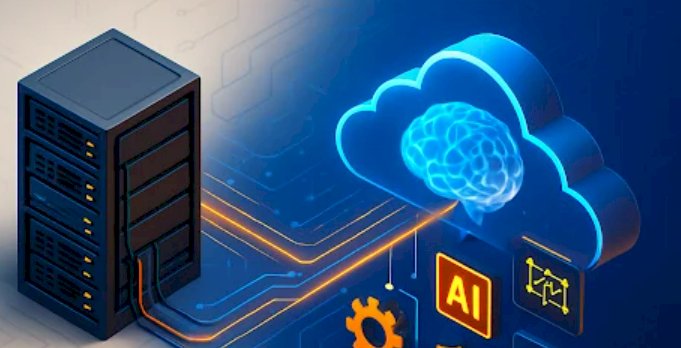
For more than a decade, cloud technology has been dominated by hyperscalers—Amazon Web Services (AWS), Microsoft Azure, and Google Cloud. These giants built the backbone of the modern internet, powering everything from enterprise SaaS to mobile apps, fintech platforms, hospital systems, and global e-commerce.
But a major shift is quietly emerging in the cloud industry: the rise of micro-clouds—a new approach that blends the reliability of the cloud with the responsiveness, privacy, and decentralization of edge computing.
As organizations demand faster delivery, lower latency, more control, and cost predictability, micro-clouds are stepping into the spotlight. They’re reshaping how companies deploy workloads, especially in healthcare, manufacturing, fintech, automotive, and AI-driven environments.
This article dives deep into why micro-clouds are growing, how they work, and why they might redefine the next era of digital infrastructure.
What Exactly Is a Micro-Cloud?
A micro-cloud is a small, localized cloud environment that mimics the essential capabilities of traditional clouds—but operates closer to the user, device, or data source.
Unlike massive cloud data centers spread across continents, micro-clouds:
-
Run on compact clusters, often in regional or neighborhood data centers
-
Offer compute, storage, security, and networking services at the local level
-
Provide ultra-low latency for real-time apps
-
Allow businesses to run cloud workloads without being tied fully to hyperscalers
Think of micro-clouds as “mini AWS regions” deployed closer to your city, your hospital, your factory floor, or even your retail store.
Why Micro-Clouds Are Gaining Popularity
1. The Explosion of Real-Time Applications
Modern digital experiences depend on instant processing:
-
Autonomous vehicles
-
Telemedicine
-
Smart manufacturing
-
Fraud detection
-
Real-time analytics
-
VR and AR applications
-
IoT monitoring
Traditional cloud servers—often hundreds or thousands of kilometers away—introduce delays that real-time systems simply cannot tolerate.
Micro-clouds solve this by keeping compute power physically close to the action.
2. Rising Cloud Costs and Vendor Lock-In Concerns
Large enterprises have started to feel the strain of skyrocketing cloud bills. Surprising “data egress costs” and unpredictable spikes create budgeting chaos. Additionally, dependency on a single cloud provider increases risk.
Micro-clouds offer:
-
On-premise or local-cloud deployment
-
Predictable pricing
-
Control over data and architecture
-
Minimal egress fees
This “cloud independence” helps organizations design cost-optimized infrastructures.
3. Stringent Data Privacy and Compliance Requirements
Industries like healthcare, BFSI, and government face severe regulations around:
-
Data residency
-
Data sovereignty
-
Audit control
-
Security resilience
Micro-clouds enable organizations to keep sensitive data local—without giving up modern cloud capabilities.
4. AI and Edge Computing Need Distributed Power
AI workloads require enormous computing but also rapid decision-making at the point of data generation.
Micro-clouds combine:
-
Edge computing’s immediacy
-
Cloud computing’s scalability
-
Localized processing for AI inference
-
Secure AI model deployment in restricted networks
This hybrid capability allows AI to run efficiently, reliably, and economically.
How a Micro-Cloud Works: A Look Under the Hood
A typical micro-cloud architecture includes:
1. Lightweight Nodes
Small clusters of compute and storage units running:
-
Container orchestration (Kubernetes, K3s, etc.)
-
Local load balancing
-
VM or container workflows
2. Cloud-Like Control Plane
Even though it's local, users still get:
-
Dashboards
-
Self-service provisioning
-
Monitoring and alerts
-
Automated scaling
3. Localized Storage
High-speed SSD-based storage retains data close to where it’s generated.
4. Optional Connectivity to Major Clouds
Micro-clouds aren’t isolated; they can integrate with AWS, Azure, or GCP.
This creates a hybrid multi-cloud ecosystem where workloads can:
-
Burst into hyperscalers when needed
-
Stay local for privacy or performance
-
Migrate across environments seamlessly
Where Micro-Clouds Are Already Transforming Industries
Healthcare
Hospitals require real-time imaging, secure patient data handling, and resilient local systems that continue operating even during network outages.
Micro-clouds support:
-
Local AI diagnostics
-
EMR systems with zero downtime
-
Privacy-first data storage
Manufacturing
Factories need millisecond-level response times for:
-
Robotics
-
Machine monitoring
-
Predictive maintenance
-
Industrial IoT
Micro-clouds ensure uninterrupted operational efficiency.
Fintech
Payment gateways, fraud detection, and trading systems cannot tolerate latency or cloud outages.
Local micro-cloud clusters improve reliability and boost transaction speed.
Retail & Smart Cities
From smart POS systems to real-time surveillance analytics, micro-clouds bring intelligence to everyday environments.
Automotive
Self-driving cars, vehicle-to-cloud communication, and on-road sensors all rely on hyper-fast processing.
Advantages of Micro-Clouds Over Traditional Cloud
1. Ultra-Low Latency
Data doesn’t need to travel across continents.
2. Strong Local Control
Ideal for industries with strict compliance rules.
3. Customizable Infrastructure
Organizations can tailor cloud behavior to their exact needs.
4. Resilience During Network Outages
Operations continue even if the global internet fails.
5. Cost Efficiency
Lower transfer costs and predictable resource usage.
Challenges Slowing Down Micro-Cloud Adoption
Despite huge potential, micro-clouds face hurdles:
-
Initial setup cost
-
Need for skilled teams to maintain distributed nodes
-
Limited global vendors
-
Integration complexity with existing systems
-
Security management across many small environments
However, advancements in automation, orchestration tools, and container technologies are rapidly reducing these barriers.
Is the World Moving Toward a Decentralized Cloud Future?
Experts predict that cloud computing will evolve into a three-layer architecture:
-
Centralized hyperscale cloud – for massive workloads and data lakes
-
Regional micro-clouds – for localized intelligence
-
Edge devices – for instant decision-making
This decentralized model ensures speed, resilience, privacy, and efficiency—all essential for modern digital ecosystems.
Micro-clouds are not here to replace traditional cloud giants. Instead, they complement them by filling critical gaps and enabling businesses to run smarter, faster, and more securely.
Conclusion: Micro-Clouds Are Redefining the Cloud Era
The future of cloud computing is no longer just about scale—it is about proximity, efficiency, data control, and real-time intelligence.
Micro-clouds bring the best of both worlds:
-
The power of the cloud
-
The agility of the edge
-
The control of on-premise systems
As demand for real-time computing and cost-efficient cloud strategies grows, micro-clouds are steadily transforming from a niche concept into a mainstream infrastructure choice.
The next phase of digital innovation will be powered not only by giant cloud regions, but by thousands of small, intelligent, distributed micro-clouds operating closer to the world than ever before.